



Saudi Arabia Establishes Multinational Maritime Alliance to Counter Houthi Piracy
|
3 weeks ago
A-
A+
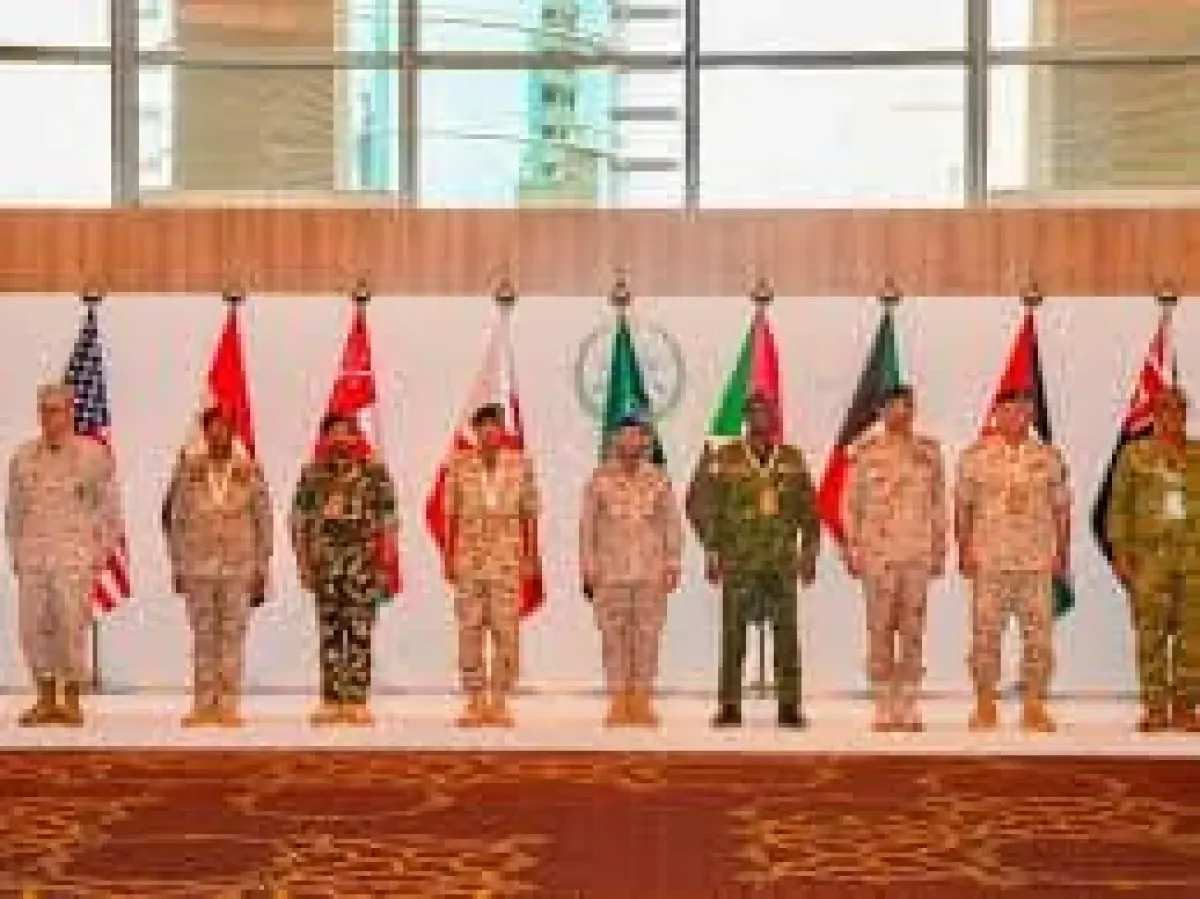
Saudi Arabia has officially announced the formation of a multinational maritime defense coalition, a strategic move that political analysts suggest could significantly shift the balance of power in the Red Sea and potentially serve as a decisive measure against Houthi piracy. The establishment of this alliance, hosted in Riyadh with high-level international military representation from 43 nations and the European Union delegation, raises critical questions about Saudi Arabia's intent to transform this vital maritime corridor into a strategic trap to neutralize the Houthi militia's disruptive activities. The alliance is also being viewed as a unified Arab and Islamic front aimed at undermining Iran's regional destabilization efforts. The extensive meeting, convened by the Saudi Ministry of Defense and attended by chiefs of general staff, signifies a new strategic era in maritime security, moving beyond traditional frameworks. The broad international and regional consensus in selecting Riyadh as the alliance's headquarters and leadership underscores significant confidence in Saudi Arabia's military diplomacy and its capacity to galvanize global efforts during complex political times. The coalition, with 14 founding and supporting nations including key regional players like Egypt, Turkey, and Pakistan, alongside Gulf Cooperation Council states, aims to fill the security vacuum that the Houthi militia has exploited for years for military extortion. Military experts believe that by establishing a general secretariat and a joint maritime operations center in Riyadh, Saudi Arabia will officially become the architect of an integrated defensive network capable of monitoring, tracking, and neutralizing any threats to waterways from the Bab al-Mandab Strait and the Gulf of Aden to the deeper Red Sea. This initiative is expected to dismantle existing operational paradigms and establish a new reality where piracy has no place. The underlying military strategy of this innovative alliance focuses on a concept of defensive encirclement and operational neutralization of threats, thereby avoiding protracted and costly land wars. For years, the Houthi militia has utilized Yemen's western coastlines and ports as advanced bases for smuggling weapons, ballistic missiles, and drone components, as well as deploying explosive boats and naval mines. The "war trap" concept is further reinforced by imposing strict surveillance through joint maritime patrols and filling intelligence gaps via immediate information sharing among participating nations. This approach aims to deprive the Houthis of the element of surprise and expose their naval movements and launch points before they can be executed. Military analysts suggest that the operational framework of this maritime alliance establishes defensive red lines, making any Houthi attempt to target navigation a form of inevitable military suicide. Such actions would be met with a coordinated and direct defensive deterrent from the nearest alliance naval units, gradually constricting the militia's armament capabilities and forcing a military retreat after years of exploiting international waters for their operations. The Houthi militia, and Iran behind them, have long relied on international and regional divisions and the perceived inability of Western administrations to sustainably resolve maritime security issues. However, the new defensive maritime coalition represents a practical embodiment of a unified front, bringing together Arab and Islamic geography into a cohesive defensive wall protecting the region's economic and security assets. The participation of Red Sea littoral states such as Egypt, Jordan, Djibouti, and Somalia, along with the legitimate Yemeni government, lends the alliance absolute legal and geographical legitimacy, undermining the Houthi propaganda that has long attempted to frame their piracy as nationalist or religious actions. The carefully worded founding statement, described by political analysts as strategically astute, emphasizes the alliance's purely defensive nature. This designation deprives the Houthis of any pretext to claim aggression, while simultaneously granting alliance naval units the full and legitimate right under international law to destroy any source of hostile fire. This is expected to completely thwart the Houthi strategy of maritime extortion and diminish their role as a tool for political and regional pressure. A pressing question for the Yemeni population, enduring years of Houthi oppression, is whether this defensive maritime alliance will offer genuine relief by curbing the Houthi threat to Yemenis themselves, or if Saudi Arabia will limit its actions to securing its vital maritime and land interests and halting the threat at its geographical borders and national economy. Political observers hold divergent views; some argue that the alliance's focus on maritime defense and the protection of energy tankers and supply chains primarily serves the interests of major powers and Saudi Arabia's desire to safeguard its large-scale economic projects on the Red Sea coast and ensure uninterrupted oil exports. This perspective suggests that Yemen's internal situation might remain hostage to the militia's tyranny and internal conflicts as long as the Houthi threat is contained offshore and does not extend overland or maritime borders. Conversely, other strategic analyses view the situation more broadly, asserting that curbing Houthi piracy and drying up arms smuggling routes through the sea is a direct and crucial service to the Yemeni people and the legitimate government. Neutralizing the Houthi naval capabilities and stripping them of their international blackmail tools weakens their overall military structure and ultimately compels them to adhere to comprehensive peace efforts and engage in genuine political settlement to end the suffering of Yemenis. Therefore, protecting Saudi and Gulf maritime interests is inextricably linked to the imperative of weakening the Houthi militia and saving Yemen from the devastation of their destructive agenda. |