


Truckers Protest Monopoly Over Cargo Handling at Mukalla Port
|
3 weeks ago
A-
A+
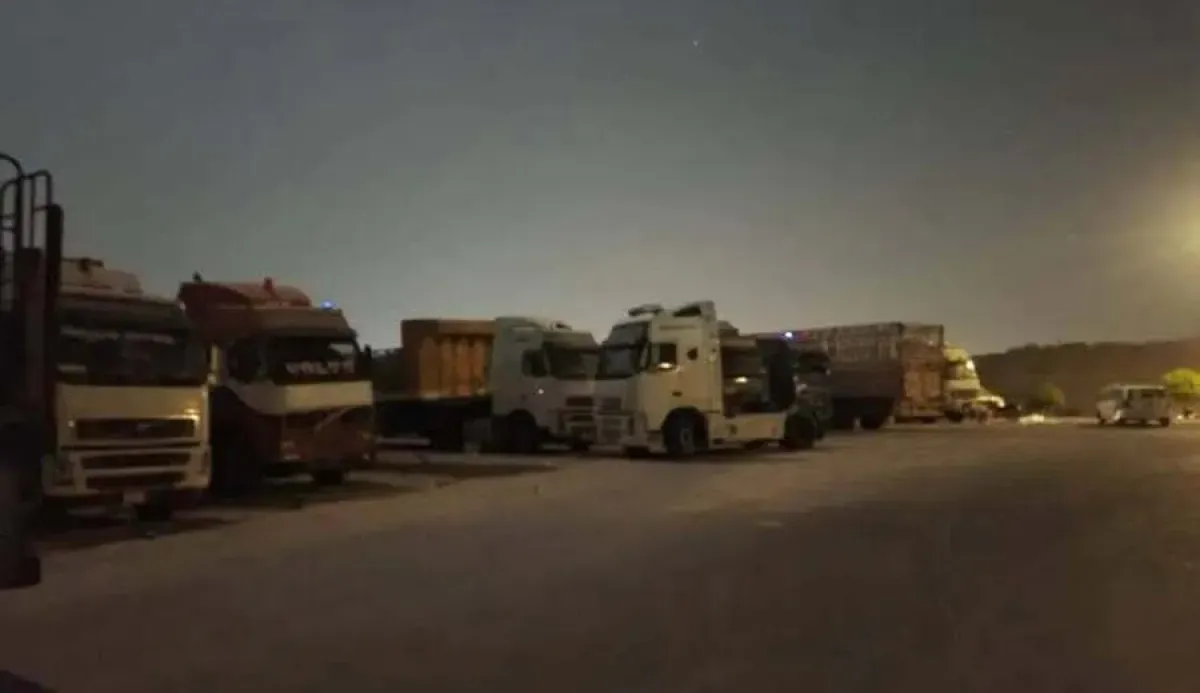
Truck drivers and haulers in Yemen's Hadramout province are protesting their exclusion from work within the Mukalla port, accusing authorities of monopolizing cargo handling operations and restricting them to trucks owned by or affiliated with specific merchants. This situation threatens the livelihoods of hundreds of families. The drivers stated that access to the port and the loading of goods have become exclusive to a select group of trucks, while other transportation sector workers are barred from practicing their trade. They described this as a discriminatory practice that contravenes the principles of justice and equal opportunity. They emphasized that this mechanism has deprived a significant number of drivers of their right to work, transforming the Mukalla port, in their words, into a facility serving the interests of a select few at the expense of other transportation sector workers. The drivers called for an end to all forms of monopoly and discrimination within the port, advocating for a rotational system in loading and transportation operations to ensure equality among all drivers, free from any interventions or exceptions. They held the Transportation Office and the Land Transportation Regulatory Authority responsible for their perceived silence on these transgressions, demanding that the competent authorities fulfill their legal responsibilities, enforce the law universally without exception, and guarantee equal opportunities for all sector workers. The drivers also requested an urgent investigation into the practices they claim have led to the deprivation of many from their rights and income sources, and called for accountability for those responsible for these violations. The drivers stressed that their demands are not for special privileges but are limited to securing their legal right to work freely, justly, and equally. They appealed to the Governor of Hadramout for urgent intervention to resolve the crisis, provide justice to the drivers, and protect the livelihoods of hundreds of families who rely on transportation as their primary source of income. |