


Yemen Faces Critical Juncture as Houthi Maritime Blockade Escalates
|
1 month ago
A-
A+
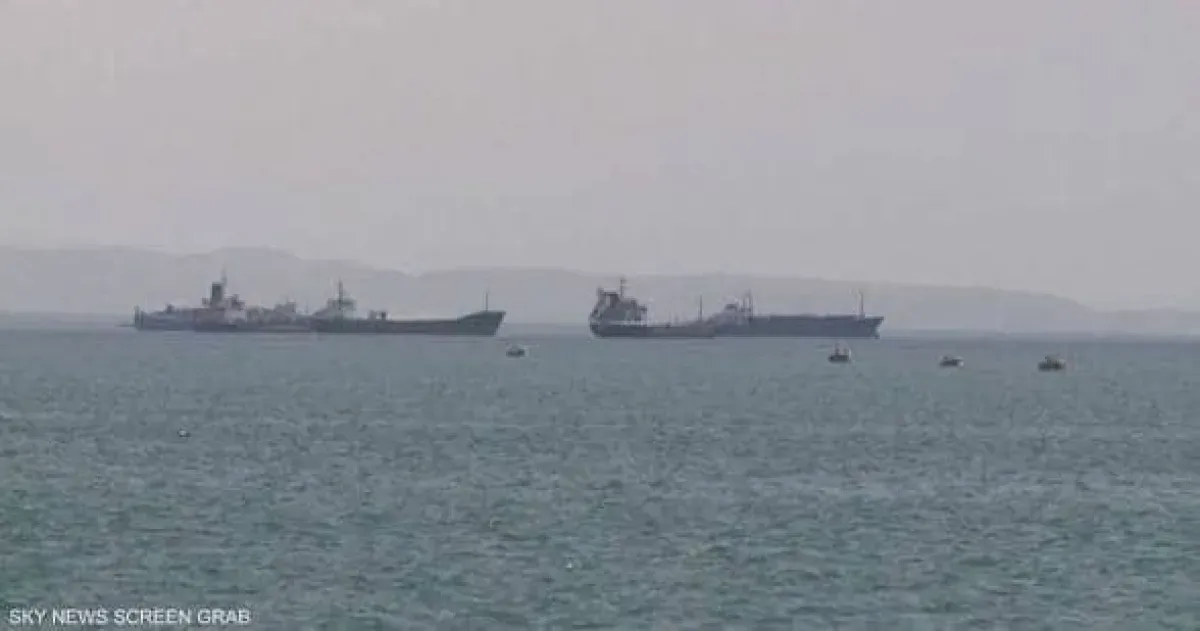
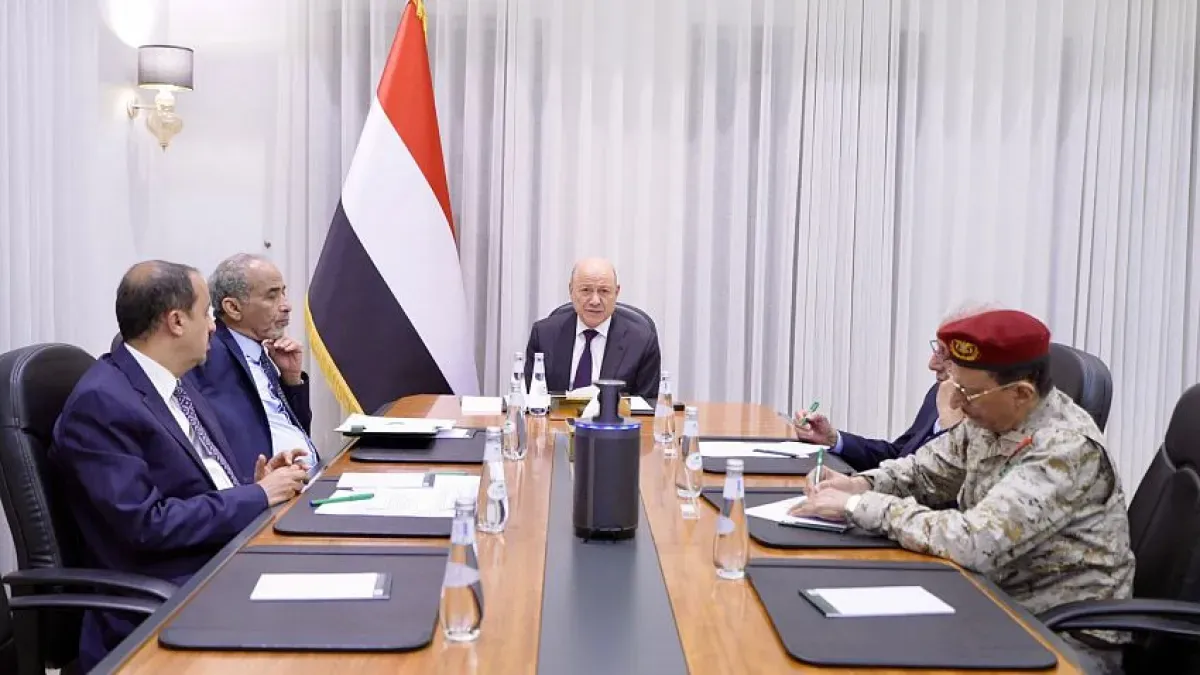
Yemen's Presidential Leadership Council and the Arab Coalition, led by Saudi Arabia, alongside the international community, are facing a critical moment following the Houthi militia's declaration of a maritime navigation ban against Saudi Arabia in the Bab al-Mandab Strait. This escalation represents a dramatic leap beyond traditional political maneuvering into open blackmail targeting global energy routes and international trade. The Houthi announcement of a maritime blockade was not spontaneous but culminated a series of escalating actions. This began with the militia testing Yemeni airspace by attempting to land Iranian Mahan Air flights at Sana'a airport without official authorization from the legitimate government. In response to this blatant violation of national sovereignty, the Yemeni Ministry of Defense took a firm step by targeting the airport runway to prevent the Iranian aircraft from landing, an act the militia interpreted as the end of de-escalation. The militia quickly shifted the conflict to the regional arena by targeting Abha International Airport with missiles and drones, culminating in the declaration of a naval blockade under the pretext of reciprocal blockades. This progression in escalation reveals that the Houthi militia is no longer content with leveraging humanitarian files and salaries for blackmail against the coalition and international community. Instead, it is now utilizing the security of the Red Sea and Bab al-Mandab as strategic pressure points, primarily serving Iranian objectives to expand regional tension zones. While Saudi Arabia has made significant efforts to advance the peace process and support regional mediation, the Houthi stance has entirely mortgaged Yemeni geography and its people's interests to Tehran's agenda, discarding all opportunities for de-escalation and exposing the falsity of the militia's claims of awaiting financial gains without any genuine political or national concessions. Attention is currently focused on the Omani capital, Muscat, where intensive consultations are underway, led by the UN envoy with regional parties involved, to de-escalate the explosive situation. However, Yemeni political and popular circles view any new attempts to forge a fragile settlement based on further concessions to the militia with suspicion and apprehension. Accepting Houthi blackmail at this critical juncture and conceding to the militia's demands under the guise of bloodshed or humanitarian solutions would deliver a decisive blow to the legitimacy of the Presidential Leadership Council and the internationally recognized government. The Yemeni populace, which has endured oppression, poverty, and salary confiscation in Houthi-controlled areas, perceives any official retreat in the face of maritime and aerial threats as a complete surrender that would extinguish any remaining popular trust in the state's institutions to protect them or restore their rights and disarm the militia. Regionally, continued submission to Houthi blackmail will not bring peace to Saudi Arabia or the region. Instead, it will embolden the militia, granting them time to reorganize their military ranks and modernize their arsenal of drones and ballistic missiles under direct Iranian patronage. Past experiences have proven that the Houthis exploit every period of calm to maximize their material and political gains without honoring any commitments. Accepting their imposed terms by force of arms would legitimize an Iranian proxy on Saudi Arabia's borders, capable of choking international navigation, paralyzing regional ports, and targeting vital infrastructure at any moment dictated by Tehran's political calculations. Conversely, a decisive military resolution emerges as the sole strategic and indispensable option for the Arab Coalition, the Presidential Leadership Council, and the international and regional community to put a definitive end to this persistent Houthi madness. The conflict has transcended internal Yemeni dynamics to become a direct global confrontation after the militia dared to declare the closure of an international waterway through which millions of barrels of oil and trade between East and West pass. Ground realities indicate that government forces across various fronts, particularly in Tihama, Marib, and Hodeidah, have already increased their combat readiness and successfully repelled several Houthi naval and ground infiltration attempts, reflecting the national readiness for a decisive battle to end this chaos. The regional and international consensus is now more convinced than ever that the dire consequences of leaving the Bab al-Mandab Strait at the mercy of an unbridled, ideologically driven militia will be catastrophic for the global economy and energy supplies. Therefore, a decisive military action, supported by unprecedented international air and naval cover, is the only effective response capable of severing the Iranian arm, clearing Yemeni coasts and ports, and establishing the official state's sovereignty. A comprehensive military operation, synchronized with an anticipated popular uprising within Yemen against the militia's policies, represents the genuine and sole path to reintegrate Yemen into its Arab fold, protect Saudi Arabia's national security, and secure international navigation from piracy and political blackmail, thereby consigning the Houthi militia to its inevitable fate after it brought ruin upon itself through its ignorance, arrogance, and defiance of national and international will. |