


Yemen: 2011 Uprising Architects Accused of Orchestrating State Collapse
|
1 month ago
A-
A+
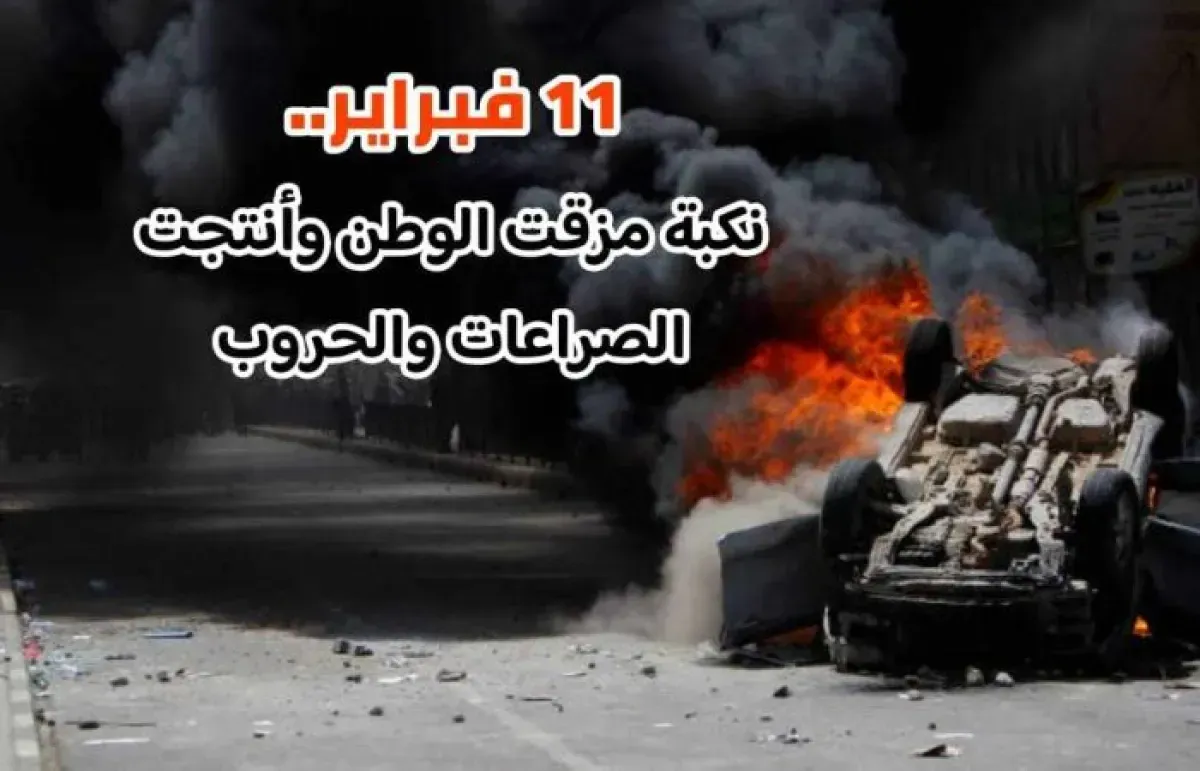
Millions of Yemenis endure a devastating humanitarian and economic crisis while figures who led the 2011 protests, now residing in luxury abroad, continue to frame the events as a revolution, despite evidence of systematic state destruction and the collapse of the republic. The stark reality on the ground, marked by the systematic dismantling of state institutions and a profound schism in the republican system, reveals a vast disconnect between the rhetoric of establishing a civil state and the current outcome of total collapse. The Yemeni people have witnessed firsthand how the era of protests was, in fact, a meticulously planned descent into chaos that pushed the nation to the brink. A significant political schizophrenia is evident when Yemenis compare their current plight with that of the "architects of chaos" from 2011. Party leaders, human rights activists, and generals who declared their defection abandoned the country as the first shots of the war they helped ignite were fired. From their exile in foreign capitals, these figures continue to recycle worn-out rhetoric, celebrating the ensuing catastrophe as if they had delivered a welfare state to Yemenis. This disconnect from reality fuels widespread public anger, as the populace, suffering from hunger and displacement, views their insistence on labeling destruction as a revolution as a desperate attempt to absolve themselves of historical and moral responsibility for fragmenting the national state and its constitutional institutions. The events of 2011 were not merely spontaneous youth movements seeking economic reforms; they rapidly evolved into a tool to strike at the heart of Yemen's stability: the military and security apparatus. Under the guise of protecting protestors, the armed forces were vertically divided as prominent military leaders defected, abandoning state legitimacy and the directives of the supreme commander. This division directly led to the destruction of the deterrence system, transforming military camps in Sana'a and other cities into open urban battlegrounds. The period also saw the uncontrolled proliferation of heavy and medium weaponry outside state control, eroding the prestige of soldiers and security personnel, who became targets of systematic attacks and media incitement, paving the way for the emergence of armed groups as alternatives to official agencies. An examination of the leadership structure during that era reveals a convergence of radically opposing forces united not by a common national project, but by a singular objective: the overthrow of the political and constitutional system. Leading this coalition was the Yemeni branch of the Muslim Brotherhood, the Yemeni Congregation for Reform Party (Islah), which provided the largest human, organizational, and financial base for the sit-ins, seeking power by exploiting the regional unrest. This ambition aligned with the movements of traditional tribal and military power centers that saw the protests as an opportunity to settle old scores and solidify their influence and economic interests, which the state had begun to curb. Even more concerning was the involvement of ideological and militia groups, most notably the Houthi militia. The protest squares in Sana'a and Taiz granted them political absolution, allowing them to emerge from their strongholds in Saada and penetrate the capital's urban fabric under the guise of independent youth. This fragile alliance collapsed immediately after the signing of the Gulf Initiative, ushering in a period of intense internal conflict. The conspiracy reached its zenith on June 3, 2011, when the leadership of the Yemeni state was targeted in a bombing at the presidential mosque during Friday prayers. This act was an attempt to assassinate President Ali Abdullah Saleh and eliminate key legislative, executive, and security leaders, including the prime minister and the speaker of the Shura Council, along with several loyal state officials who later succumbed to their injuries. This terrorist bombing was a clear declaration by the forces of chaos that they were prepared to burn the state, shatter civil peace, and plunge the nation into a full-scale civil war to seize power, shocking the international community and exposing the falsity of their peaceful and conscious slogans. The republican system, forged in the blood of martyrs from the September 26 and October 14 revolutions, suffered a fatal blow from the direct consequences of the 2011 chaos. The weakening of the state's center in Sana'a and the exhaustion of the army and security forces in diversionary battles and internal wars created the ideal environment for the Houthi militia to execute its coup plan. In September 2014, the Houthi militia stormed Sana'a, exploiting the political and security vacuum left by the post-February period. The militia then turned on the remaining institutions, occupied ministries, seized the army's sovereign weaponry, and began to erase Yemen's national identity, replacing it with an imported sectarian one. This demonstrates that the imamate project could not have succeeded had the architects of chaos not paved the way, broken the state's authority, and divided its vital forces. Behind the polished rhetoric of exile, Yemeni families endure a tragic reality that represents the true cost of false change slogans. The current living conditions show a near-complete collapse of essential services like electricity and water, with medical and educational facilities out of service. This is accompanied by a severe economic downturn and the loss of the national currency's purchasing power, leading to unprecedented price hikes and years-long suspension of government employee salaries. This catastrophic situation has turned millions of Yemenis into internally displaced persons or refugees scattered across the globe, after living in peace and stability. Yemen now tops global humanitarian crisis indicators, with widespread famine and the resurgence of epidemics and diseases previously eradicated under a stable state. Ultimately, the deception that the leaders and theorists of the 2011 events are attempting to perpetuate is no longer fooling the Yemeni people. The Yemeni street has washed away its illusions with the tears of mothers, the suffering of the displaced in camps, and the hunger of children in villages and cities. The true consciousness forming today among Yemenis is one that values the state, recognizes the importance of preserving the republican system and national institutions, and understands that destruction is far easier than construction. Those who promised an earthly paradise from protest stages have bequeathed their people nothing but hell, while they themselves chose to live in the luxury of exile and palaces, leaving behind a wounded nation struggling to find its way to survival and reclaim its stolen entity and its pure Arab republican identity. |