


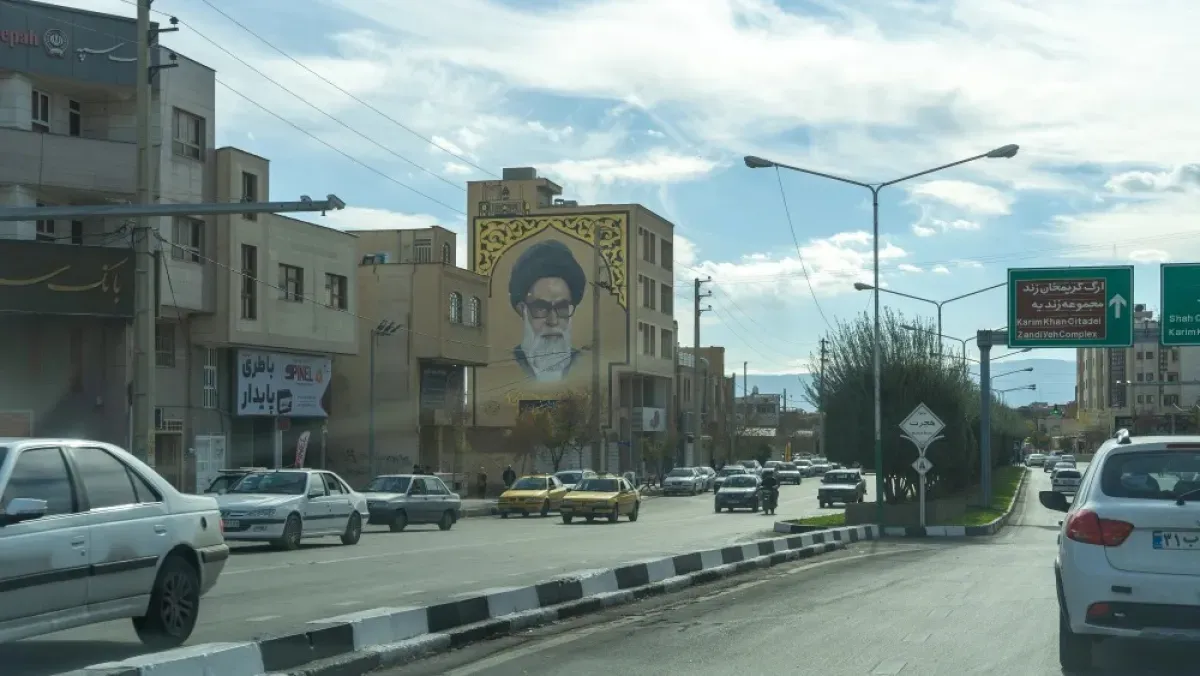
Iranian leadership has asserted unity and loyalty to the Supreme Leader in response to a post by U.S. President Donald Trump, amidst claims of internal divisions. A report by the Middle East Forum suggests these statements raise questions about who wields actual power, particularly given the Supreme Leader's prolonged absence from public view. The report details that Trump had previously indicated on social media the difficulty in identifying Iran's leader, describing the alleged internal conflict between "hardliners" and "moderates" as "crazy." Iran's Parliament Speaker, Mohammad Bagher Ghalibaf, swiftly denied any such divisions, emphasizing Iranian revolutionary unity and full submission to the Supreme Leader in a tweet that resonated with other officials. While the Islamic Republic has historically employed negotiation tactics that involve projecting internal divisions, observers suggest the current situation may indicate genuine rifts, especially under the pressure of U.S. and Israeli military campaigns. However, such divisions remain of limited consequence unless they involve actors with substantive authority. Currently, this authority is concentrated within the Islamic Revolutionary Guard Corps (IRGC), particularly amid unconfirmed reports of Supreme Leader Ali Khamenei's death and his son's inability to assume leadership. The report elaborates that decisive negotiation power rests with the IRGC, which leverages its influence in the Strait of Hormuz and appears to be banking on Trump refraining from further strikes. Unless a fundamental schism emerges within the IRGC itself, assertions of significant internal leadership divisions are likely exaggerated. The pivotal question remains whether the IRGC is prepared to make concessions, and the current indication suggests it is not. Furthermore, the very survival of the regime is a crucial factor in any inclination towards concessions. The political and economic elite, including those potentially perceived as "moderates," are keen to preserve the system upon which their continued existence and accumulated wealth depend. This situation has reportedly led the IRGC to deploy foreign fighters to Tehran as a precautionary measure against potential mass protests. For two decades, Ali Khamenei has consolidated the IRGC's influence as a bulwark for the regime, aligned with its anti-Western and anti-Israeli ideology. For IRGC leaders, any concessions or displays of weakness could jeopardize their personal survival and interests, as their authority and wealth are intrinsically linked to the continuation of the clerical system. |