


US-Israel Strategy Against Iran Faces Challenges from Deeply Rooted Proxies
|
5 months ago
A-
A+
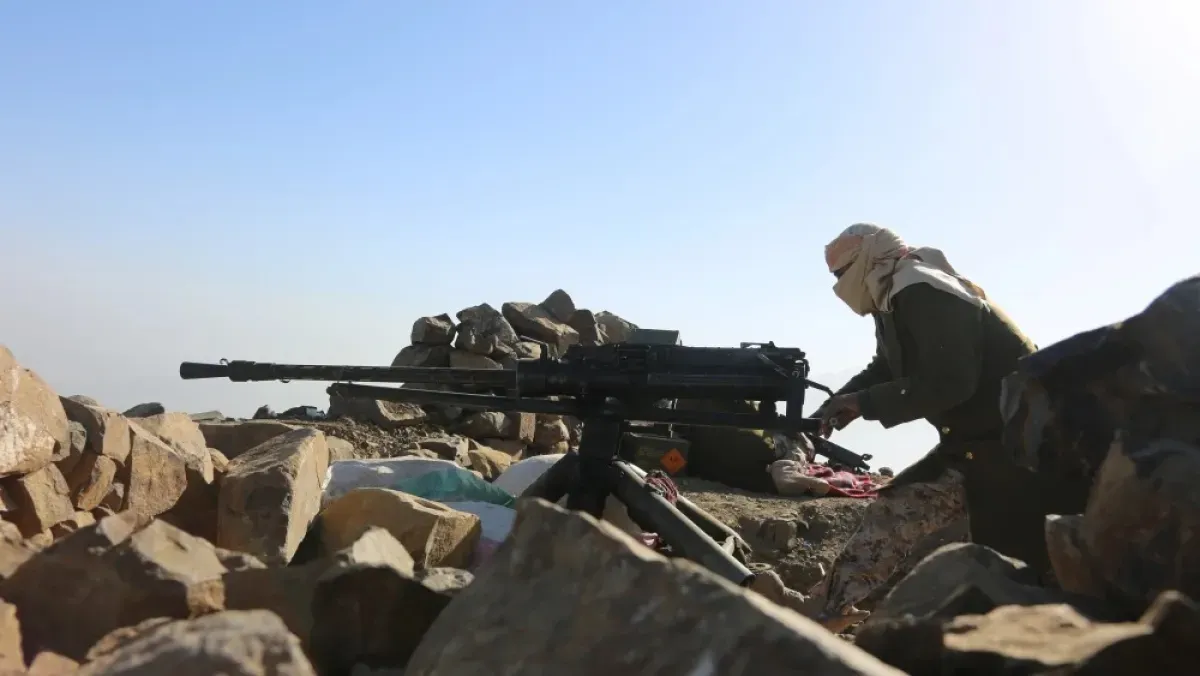
A recent report from the Middle East Forum reveals that the complex confrontation waged by the United States and Israel against the Islamic Republic of Iran focuses on three strategic pillars: nuclear ambitions, ballistic missile programs, and a transnational network of proxies. Despite indicators of success achieved through international pressure and intelligence operations in undermining some of these arms, the report concludes that the demise of the Tehran regime may not necessarily eradicate the entrenched threats posed by the regional proxy network, particularly those possessing historical and local dimensions transcending mere ideological allegiance to the Iranian system. Journalist Michael Rubin, a senior fellow at the American Enterprise Institute and a former Pentagon official, asserts that Iran-aligned militias are experiencing unprecedented confusion. In Lebanon, Israeli intelligence breaches have caused physical and moral paralysis within Hezbollah. Although its fighters have retreated from public view, the group retains lethal "primitive conflict" capabilities through snipers and explosive devices, bolstered by financial networks in Africa and South America that have yet to be seriously targeted. Rubin further argues that there is a diplomatic deficiency on the part of the United States for failing to pressure for the removal of political figures who provide cover for these groups, notably Nabih Berri. He contends that liberating Lebanon necessitates the removal of corrupt figures obstructing state formation, alongside firm action against regional actors like Turkey, whose covert role in sustaining Hezbollah’s lifeline has been indicated in intelligence reports. In Iraq, "hedging" has become a survival strategy, compelling politicians and militia leaders—including Nouri al-Maliki—to race to liquidate assets and change identities for fear of American drone strikes. Any decisive blow against Iran would extinguish al-Maliki's political ambitions, as his alignment with Tehran was opportunistic, and he now poses a risk even to his close associates. On the Gaza front, Hamas continues to pursue a "victory through survival" strategy. Extinguishing 90% of the conflict does not equate to control, and the movement is banking on surpassing the era of Donald Trump and even Mahmoud Abbas to solidify its legitimacy as an enduring force. For Hamas, mere armed existence following these crises is considered a sufficient victory. While groups established by Iran might collapse immediately upon the cessation of funding, the situation in Yemen appears fundamentally different. Michael Rubin believes the Houthis are not merely a newly created proxy but the latest manifestation of the "Imamate" system that governed Yemen for centuries before the 1962 revolution. Their influence in the mountainous regions predates Iranian support, enabling them to sustain operations even without Tehran's supplies. The complexity is compounded by the wavering roles of certain regional powers, where targeting the Southern Forces (a potential defeating force) and indirectly supporting the Islah group have granted the Houthis wide maneuvering margins. Rubin noted that combating "deep arms" that predate the clerical regime requires a coordinated effort extending beyond merely regime change in Iran. Specifically concerning the Houthis, decisive steps are necessary: direct and continuous targeting of first-tier leadership, seizing effective control of vital ports like Hodeidah, designating the Yemeni Islah party as a terrorist organization to cut off political avenues, and applying diplomatic pressure on Riyadh to halt appeasement policies in exchange for temporary quiet. The author concludes that militias born directly from the Iranian Revolution might disappear with its collapse, but those that Iran exploited rather than created will require a long-term eradication strategy that looks beyond severing the head in Tehran to pursuing the roots in Saada’s mountains and the suburbs of Beirut. |