


Iran Faces Critical Juncture Amid Reports of Supreme Leader Khamenei’s Death
|
5 months ago
A-
A+
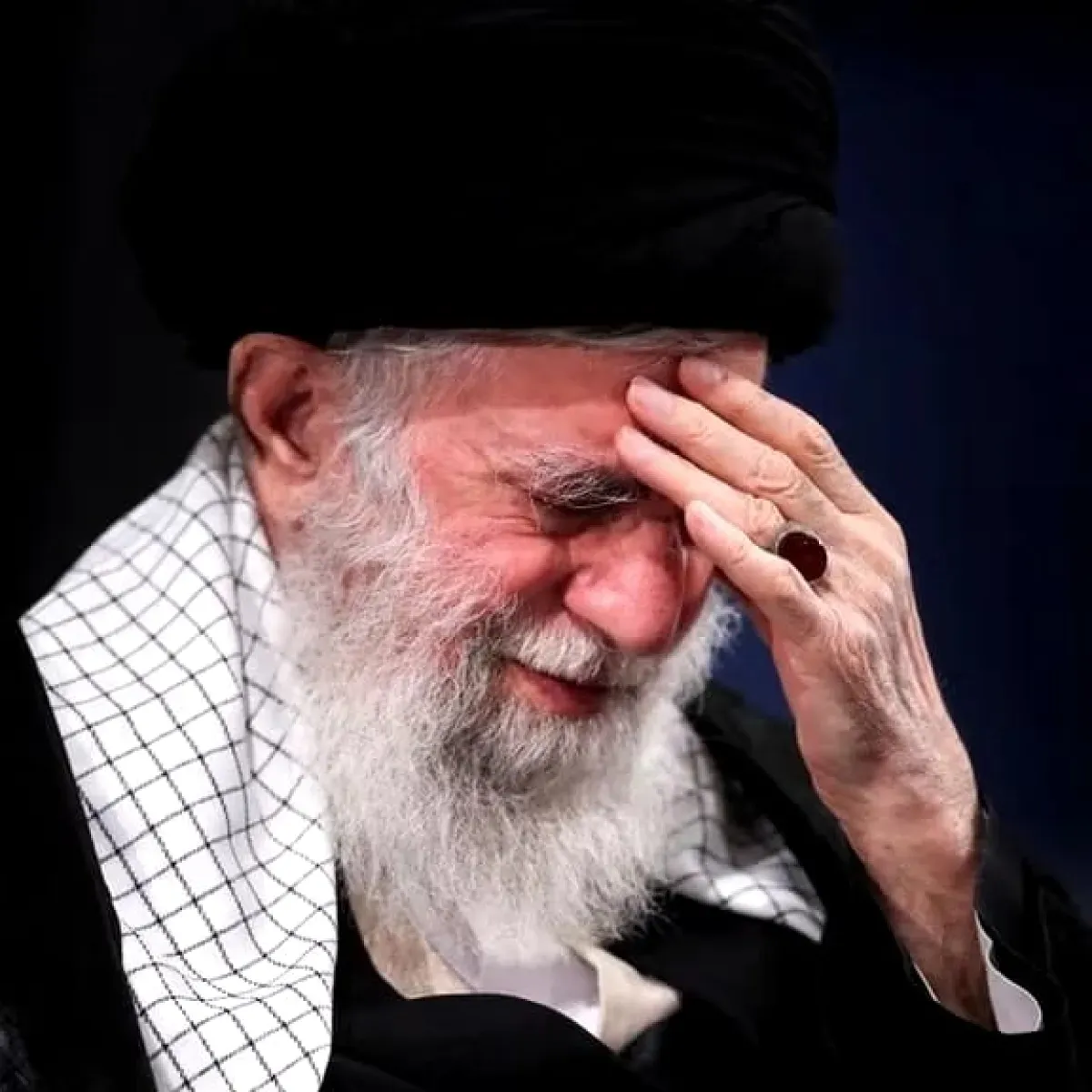
Iran is confronting one of the most critical moments in its modern history following unconfirmed Israeli reports suggesting the death of Supreme Leader Ayatollah Ali Khamenei in an aerial strike targeting a command post in Tehran. In the absence of official confirmation from Iranian authorities or independent international bodies, political circles await verification of a development that, if true, would constitute a political earthquake ending the era of the man who guided the nation's governance and regional alliances for over three decades. Khamenei, born in Mashhad in 1939, emerged as a prominent figure opposing the Shah's regime. Following the 1979 Revolution, he ascended to political prominence, serving as President from 1981 to 1989 during the Iran-Iraq War. Upon the death of the Revolution's founder, Ayatollah Khomeini, the Assembly of Experts selected him as the Supreme Leader. Since then, he has held absolute constitutional authority, commanding the armed forces and setting major state policies. Khamenei's tenure was characterized by the significant expansion of the Islamic Revolutionary Guard Corps (IRGC), transforming it from a domestic military force into a key regional actor through the Quds Force. While Washington designated the IRGC a terrorist organization in 2019, Tehran views it as the cornerstone of its "preemptive defense." This strategic approach enabled Iran to extend its influence across Iraq and Syria by supporting armed factions and shifting on-the-ground power balances—a process described in UN reports as contributing to the complexity and prolongation of armed conflicts. Furthermore, Iranian influence reached Lebanon and Yemen through strategic backing for Hezbollah and the enhancement of Houthi military capabilities, creating a regional deterrence network that Western powers characterize as an "instrument of destabilization." Under his direct supervision, Iran’s nuclear ambitions evolved into a persistent international crisis. Despite severe sanctions, Tehran has increased uranium enrichment levels to unprecedented rates, according to the International Atomic Energy Agency. This occurred in parallel with the development of a ballistic missile program, which Iran asserts is a defensive right, but which much of the world views as a direct threat to regional security balances. Khamenei leaves behind a legacy of polarized assessment. While his supporters view him as the architect of the regional power structure that withstood sanctions, critics contend his policies entrenched proxy warfare and deepened sectarian divisions. The confirmation of his absence places Iran at a pivotal crossroads, requiring the Assembly of Experts to select a successor amidst peak regional military tensions. His potential departure signals not merely the end of a political figure, but the commencement of a contest to define the future identity of Iranian influence in the Middle East. |