



UN Report: Over Two-Thirds of Yemeni IDPs Face Hunger; Houthi Areas Hit Hardest
|
6 months ago
A-
A+
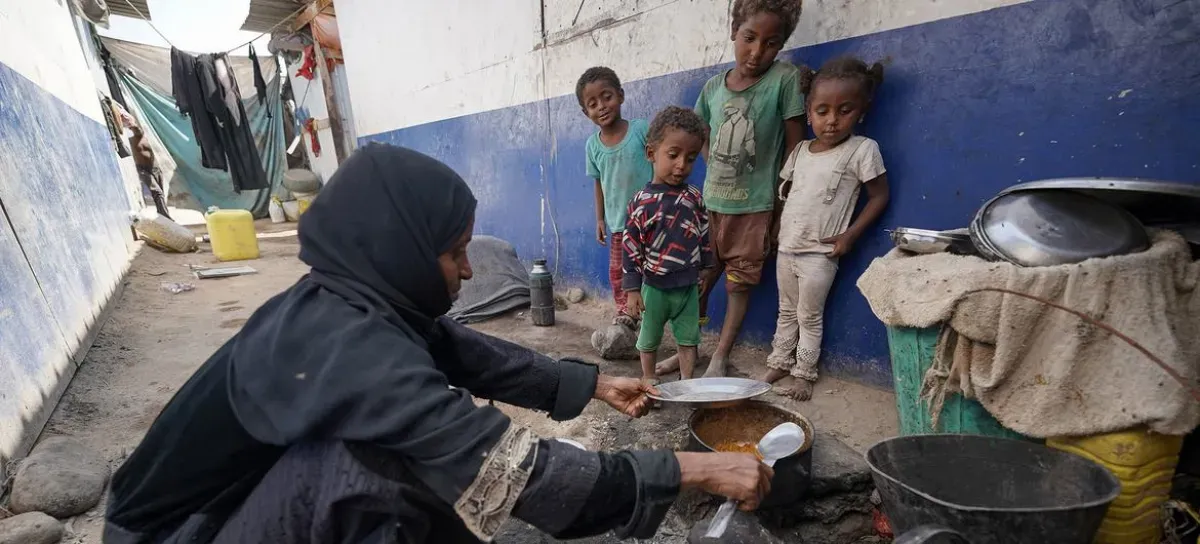
A recent United Nations report reveals that more than two-thirds of internally displaced persons (IDPs) in Yemen suffered from hunger by the end of last year amid a sharp deterioration in food security, particularly in areas controlled by the Houthi group in the north. The World Food Programme (WFP), in its latest assessment on the state of food security in Yemen, indicated that 38% of IDPs experienced moderate to severe hunger during December 2025. This figure is more than one and a half times the hunger rate observed among the non-displaced population, which stood at 21%, positioning IDPs among the most vulnerable groups. The situation is notably worse for those residing in camps, where food consumption and coping capacities are significantly diminished compared to IDPs living within host communities. The UN agency highlighted that hunger levels were markedly higher among displaced populations in Houthi-controlled territories, reaching 40%, compared to 32% in areas under the internationally recognized government's influence. Furthermore, the report detailed that the rate of severe food deprivation, defined as poor food consumption, reached 40% among IDPs nationwide. This rate was highest among those in camps at 48%, versus 38% among IDPs settled in host communities. Alarmingly, 17% of surveyed households reported that at least one member went a full day and night without food—a proportion more than double the rate recorded among the general population, which was 7%. The WFP also confirmed that IDPs' ability to cope with food shortages was more severely compromised than that of the rest of the population. Forty-six percent of IDP households resorted to harsh coping strategies, such as reducing the number of daily meals, compared to 32% of the general population. This behavior was most pronounced in camps at 24%, compared to 17% in host communities. The report noted that 7% of IDPs were compelled to resort to begging to cover essential needs, with rates being higher for those in camps at 13%, especially in Houthi-controlled regions, compared to 5% among IDPs residing in local communities. The World Food Programme warned that the continued decline in economic conditions and reduced humanitarian funding could push more displaced families into more critical levels of hunger and food insecurity in the coming period. |