



Houthi-Controlled Yemen Faces Dire Poverty as Ramadan Highlights Economic Collapse
|
6 months ago
A-
A+
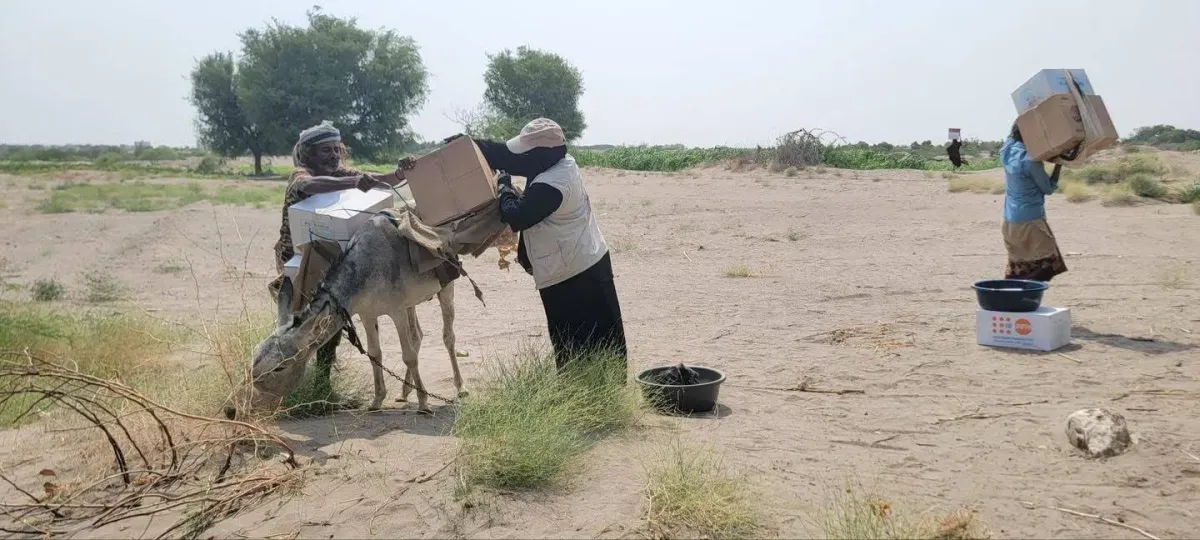
Millions of Yemenis residing in areas under Houthi control are entering the month of Ramadan facing severe hardship, as securing basic necessities has become unattainable for the majority of families due to crushing economic conditions. The holy month, typically associated with religious rituals and communal feasts, is instead defined by acute food insecurity, the cessation of salary payments for years, and a sharp decline in humanitarian aid. This suffering has been exacerbated by persistent price inflation and the collapse of income sources. The crisis has intensified following the departure of several United Nations organizations from Houthi-held territories, halting vital relief programs. This withdrawal followed raids on agency offices and the detention of staff members, depriving millions of vulnerable people of essential food baskets and cash assistance that previously served as a critical lifeline. Humanitarian estimates suggest that approximately 13 million individuals are now on the brink of famine, marking one of the worst humanitarian crises globally. Thousands of families have been forced to reduce daily meals to just one, or forgo essential nutritional items, subsisting only on the cheapest available options with minimal nutritional value. Citizens attribute this severe deterioration to the Houthi authorities' continued withholding of salaries for tens of thousands of state employees for over eight years, compounded by a near-total paralysis of market activity and the suspension of crucial UN support that once mitigated poverty levels. Even in the capital, Sana'a, where the Houthis announced the disbursement of what they termed "half a salary" from the previous year—amounting to approximately $50—employees confirm this sum covers barely a fraction of a week's needs given the doubling of staple food prices ahead of Ramadan. The impact is visibly reflected in markets, which lack their usual pre-Ramadan vibrancy as purchasing power has evaporated, restricting consumer demand strictly to the most urgent necessities. As one Sana'a teacher noted, "Discussing the purchase of Ramadan provisions is a luxury few can afford; today, we are only seeking what can satisfy our children's hunger, even at the expense of their health." With humanitarian food aid nearly nonexistent, thousands of new families have entered poverty, forcing many to rely on tea and bread as staple meals or resort to begging outside commercial establishments—a stark illustration of the depth of the social and economic collapse. |