



Yemen Faces Ramadan Amid Collapsed Wages, Soaring Hunger, and Dual Corruption
|
6 months ago
A-
A+
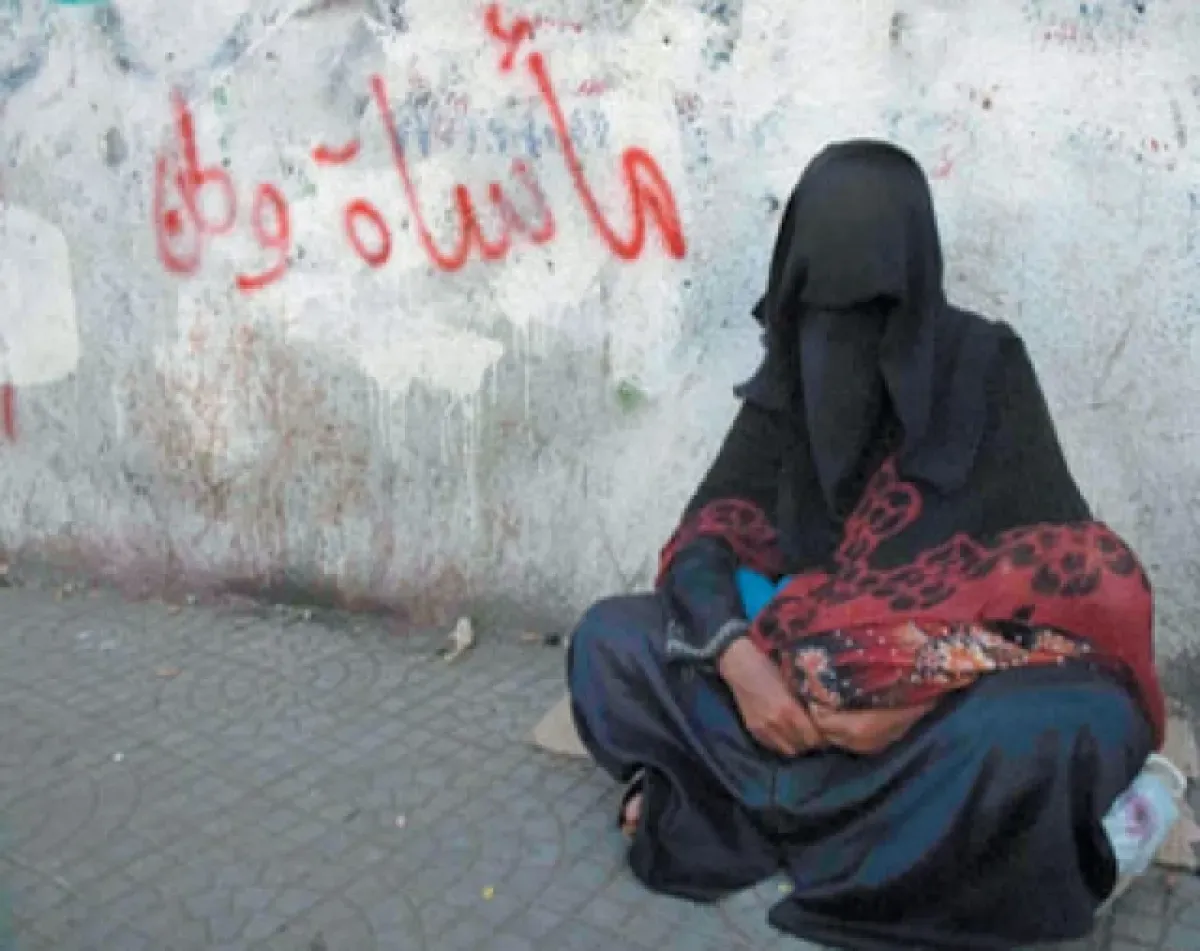
Yemenis are entering the holy month of Ramadan confronting an unprecedented collapse in purchasing power, chronic salary arrears, and a severe spike in food prices, compounding the suffering in a nation exhausted by over a decade of conflict and weakened economic institutions. Meanwhile, the rival authorities are engaged in mutual accusations regarding corruption, mismanagement, and the misappropriation of public resources. In areas controlled by the internationally recognized Yemeni government, the real value of civil servant salaries—ranging between 50,000 and 70,000 Yemeni Riyals—has plummeted to approximately $30 to $43 at current exchange rates. This represents a dramatic decrease from the $230 to $320 these wages were worth before the Houthi militia seized control of Sana'a in September 2014. United Nations reports indicate that current wages are insufficient to cover the minimum requirements for a dignified life amid accelerating inflation and the continuous erosion of the local currency. In Houthi-controlled territories, hundreds of thousands of public sector employees have not received regular salaries for nearly ten years, with only fragmented and irregular payments dispersed, severely exacerbating the humanitarian situation. Last year, under pressure from employee protests, the de facto Houthi authorities implemented a mechanism classifying employees into three tiers, distributing half a monthly salary to one group, and half a salary every three months to the other two groups—a move that drew sharp criticism from rights organizations who labeled it discriminatory. Furthermore, Houthi authorities have reportedly forced thousands of employees into early retirement, while the cost of essential foodstuffs and goods has multiplied several times over pre-war levels. Economic reports suggest that the Iran-backed militia imposes numerous additional levies and fees on traders and residents to finance its military operations and sectarian activities, despite controlling vital revenues such as those generated by Hodeidah Port, taxes, customs, and telecommunication companies within its sphere of influence, without ensuring regular salary disbursement. Conversely, the internationally recognized government faces widespread accusations of poor administration and corruption, struggling to manage resources within its controlled areas amid a financial and banking schism that has deepened economic distortions. Displaced government employees in Aden and other cities report delays in receiving their salaries spanning months, with some waiting for over five consecutive months or even a full year's dues. Displaced workers informed the Khaba News Agency that their current monthly income barely covers minimal rent, let alone the costs of food, education, and healthcare. This dire economic crisis coincides with alarming food security indicators; the UN estimates that over half of Yemen’s population requires humanitarian aid, with millions facing acute levels of food insecurity. Economic experts point to currency depreciation, irregular pay, and high import costs—given Yemen’s near-total reliance on food imports—as drivers forcing more families to reduce daily meals or resort to debt. As Ramadan approaches, poverty is increasingly visible in towns and cities, with thousands of families turning to charities for basic food baskets—a striking transformation for a society that previously avoided public appeals for aid. Analysts warn that the sustained financial division and the absence of genuine anti-corruption reforms in both factions threaten to push the humanitarian crisis into more severe levels unless urgent measures are taken to unify economic institutions, guarantee salary payments, and achieve monetary stability. |